


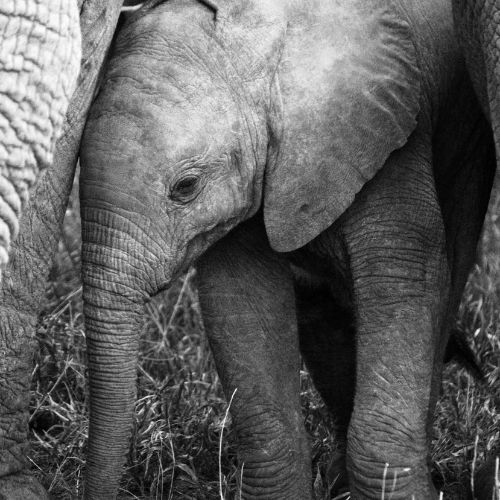
Yesterday, on the 3rd of March 2025, the world came together to celebrate World Wildlife Day, a day dedicated to raising awareness about the incredible diversity of our planet’s wildlife and the urgent need to conserve it. At Sabi Sand Nature Reserve, conservation isn’t just a one-day commitment—it’s a way of life. This year’s theme, “Connecting People and Planet: Exploring Digital Innovation in Wildlife Conservation”, resonates deeply with our ongoing efforts to protect and preserve the natural world through cutting-edge conservation strategies.
A Legacy of Conservation
Twenty-five years ago, the United Nations designated 3 March as International Wildlife Day, a day dedicated to celebrating the rich diversity of fauna, flora, and marine life across the globe. South Africa is privileged to be home to some of the world’s most unique ecosystems, and for decades, the country has invested heavily in conservation efforts to protect its biodiversity from exploitation and extinction.
The positive news is that today, more land is under conservation and formal protection than fifty years ago. However, despite this progress, significant challenges remain. Among the most critical is the near-extinction crisis facing South Africa’s black and white rhino populations due to relentless poaching. Additionally, numerous plant and wildlife species across the country are under severe threat, facing the risk of disappearing entirely.
The Role of Innovation in Conservation
Sabi Sand Nature Reserve has embraced digital advancements to strengthen conservation efforts. Technologies such as real-time GPS tracking, drone surveillance, and AI-powered camera traps enable our teams to monitor wildlife, track poaching threats, and implement more effective protection strategies. These innovations are critical in safeguarding endangered species and ensuring their survival for future generations.
Challenges in Conservation
The conservation of South Africa’s wildlife and habitats is becoming increasingly complex in a rapidly changing world. Key challenges include:
A growing population and expanding infrastructure, leading to habitat loss and fragmentation.
Climate change and shifting rainfall patterns, which are having a devastating impact on ecosystems.
The spread of invasive alien plants (I&APs), which have taken root across millions of hectares, outcompeting native species and rendering vast areas unsuitable for conservation and agriculture.
Degradation of wetland systems, with more than two-thirds of South Africa’s wetlands already lost due to invasive species and unsustainable land management practices.
Community Involvement & Sustainable Tourism
At Sabi Sand Nature Reserve, we believe that conservation is a shared responsibility. Through initiatives like the Sabi Sand Pfunanani Trust, we collaborate with local communities to promote education, sustainable livelihoods, and eco-tourism. Empowering communities fosters a collective commitment to protecting our natural heritage and ensuring that future generations can continue to enjoy South Africa’s incredible biodiversity.
How You Can Make a Difference
Every individual has a role to play in conservation. Here’s how you can help:
- – Support reputable wildlife conservation organizations.
- – Practice responsible tourism and choose ethical travel options.
- – Spread awareness about endangered species and environmental challenges.
- – Reduce your carbon footprint by making eco-friendly choices.
- – Help manage invasive alien plants on your property and protect natural habitats.
A Future for Wildlife
As we reflect on World Wildlife Day 2025, we reaffirm our commitment to preserving the wild beauty of Sabi Sand Nature Reserve. By harnessing technology, engaging local communities, and fostering a culture of conservation, we can ensure that South Africa’s unique wildlife and landscapes continue to thrive.
Let us all take action—whether by protecting natural spaces, reducing waste, or supporting conservation efforts. Together, we can create a future where wildlife flourishes and our ecosystems remain intact for generations to come.
0 Comments